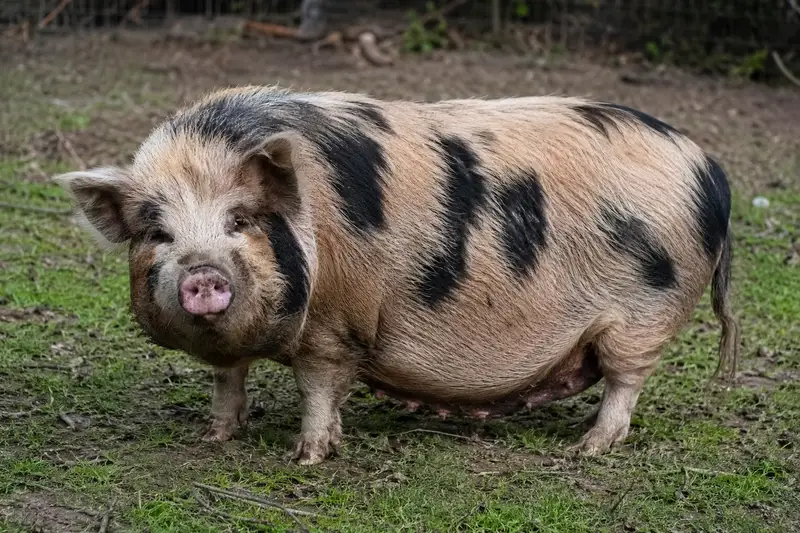
A Kunekune sow that will not feed her piglets is one of those situations where calm thinking matters, but waiting too long can cost piglets. Newborn piglets do not have much reserve, and they need warmth, colostrum, and regular nursing very quickly after birth. When a sow refuses to lie still, pushes piglets away, acts painful, or simply does not seem to have milk, the first job is to protect the piglets while you figure out what is happening with the sow.
First: Make Sure the Piglets Are Warm
Cold piglets do not nurse well. Even a piglet that looks hungry may not have enough strength to latch if it is chilled.
Before trying to bottle feed, check the basics:
- Are the piglets dry?
- Are they warm to the touch?
- Are they active and searching?
- Are they piling up away from the sow?
- Are they crying, weak, or lying flat?
Warm piglets have a much better chance of nursing or taking supplemental feeding. A safe heat area, dry bedding, and protection from drafts can make a big difference. Kunekune piglets are sturdy little things, but newborns are still newborns.
Watch the Sow Before You Decide She Is “Rejecting” Them
Not every rough start means the sow is a bad mother. A first-time gilt may be confused, sore, restless, or overwhelmed. Some sows need time to settle after farrowing. Others may have a real health problem.
Look for clues:
- Does she lie down but jump up when piglets touch her udder?
- Does she kick, snap, or swing her head at them?
- Does she seem painful when her udder is touched?
- Is her udder hot, hard, swollen, or uneven?
- Does she have a fever, foul discharge, or act depressed?
- Did farrowing seem long or difficult?
- Are the piglets latching but not getting full?
A sow that is simply nervous is different from a sow that is sick, painful, or has no milk. The piglets need help either way, but the long-term fix depends on the cause.
Colostrum Is the Emergency Priority
The first milk, called colostrum, is extremely important. It gives newborn piglets early energy and immune support. If piglets are not nursing, you need to act quickly.
If the sow has milk and will allow it, the best option is usually to help piglets nurse from her. Sometimes that means sitting quietly with the sow, keeping the area calm, and helping the smallest piglets find a teat.
If she will not allow nursing, or the piglets are getting weak, call your veterinarian and start supplemental care. Ask your vet what they recommend for colostrum replacement, milk replacer, feeding amount, and feeding method for your situation. Piglets can aspirate if fed too fast or incorrectly, so do not force milk into a weak piglet’s mouth.
Try to Settle the Sow Safely
A quiet farrowing area helps. Too much noise, too many people, dogs, or constant checking can make some sows more restless.
Helpful steps may include:
- Keep the pen quiet and low-stress.
- Remove distractions and unnecessary visitors.
- Make sure she has water close by.
- Offer feed only if she is settled and interested.
- Keep piglets warm and protected while working with her.
- Do not crowd her face or panic around her.
- Watch her body language carefully.
Kunekunes are often known for good temperament, but farrowing is still a serious physical event. Even a normally gentle sow may act different when she is sore, scared, or hormonal.
Check for Pain, Fever, or Milk Problems
If a sow refuses to feed, do not assume it is behavioral. Health issues can be the real reason.
Possible concerns include:
- Mastitis or udder infection
- Metritis or uterine infection
- Agalactia, meaning little or no milk
- Pain after a hard delivery
- Retained piglet or afterbirth
- Injury
- Fever or general illness
- Poor appetite or dehydration
This is where a veterinarian matters. A sow with infection or no milk may need treatment quickly. The piglets may also need a separate feeding plan until the sow is producing and accepting them.
If You Must Supplement Piglets
Supplementing piglets is work. There is no sugarcoating that. They need small, frequent feedings, warmth, cleanliness, and close watching.
General rules:
- Warm the piglet first.
- Use a proper piglet milk replacer or vet-recommended option.
- Feed small amounts often.
- Keep bottles, nipples, and dishes clean.
- Do not overfeed.
- Watch for bloating, scours, weakness, or milk coming from the nose.
- Weigh piglets if possible so you know who is gaining and who is slipping.
Some piglets will take a bottle. Some do better with a shallow pan once they are strong enough. Very weak piglets may need veterinary help.
Help the Smallest Piglets First
In any litter, the smallest piglets lose ground fast when nursing is not going well. They may be pushed away, get chilled faster, or lack the strength to compete.
Mark the smallest piglets mentally or with a safe method and check them often. A piglet that was “just a little sleepy” in the morning can be in real trouble by evening. Farrowing problems reward close observation.
Can You Hold the Sow Still?
Sometimes a calm sow can be encouraged to lie down while piglets nurse. This must be done carefully. Do not put yourself where you can be bitten, crushed, or trapped. Do not create a fight with the sow.
If she settles when scratched or spoken to, you may be able to help piglets latch. If she becomes aggressive or frantic, stop and rethink the plan. Safety matters for you, the sow, and the piglets.
When to Call the Vet
Call your vet right away if:
- Piglets have not nursed or received colostrum.
- The sow has a fever.
- Her udder is hot, hard, painful, or discolored.
- She has foul-smelling discharge.
- She is off feed, depressed, shaking, or weak.
- Farrowing was difficult or you suspect something is retained.
- Piglets are weak, cold, crying constantly, or not gaining.
- You are unsure how to safely supplement them.
A good vet relationship is part of responsible pig ownership. Around here, we would rather make the call early than try to rescue a situation after everyone is exhausted.
Prevention Starts Before Farrowing
Some nursing problems cannot be predicted, but preparation helps.
Before a sow farrows, have:
- A clean, dry farrowing area
- Safe heat for piglets
- Fresh bedding
- Clean water for the sow
- Piglet milk replacer or a vet-approved emergency plan
- Bottles or feeding supplies
- Thermometer
- Scale if available
- Your veterinarian’s number ready
- A way to separate or protect piglets if needed
Good breeder stock matters here too. Temperament, mothering ability, structure, health, and soundness all matter in a breeding herd. A sow is not just producing piglets; she is raising them. For homesteads and families wanting Kunekunes for meat production or a responsible breeding program, mothering ability should be part of the long-term selection conversation.
Final Thoughts
When a Kunekune sow will not feed her piglets, do not waste time blaming the sow or hoping it fixes itself. Warm the piglets, watch the sow, check for health problems, and get veterinary help when needed. Some situations settle with patience and quiet handling. Others require immediate treatment and supplemental feeding.
The practical goal is simple: keep the piglets warm and fed, find out why the sow is not nursing, and protect the future of both the litter and the sow.
