Front Range
Wind, hail, variable winter storms, and suburban-edge zoning.
Setup focus
Use secure fencing, shade, heated water, and verify local rules.
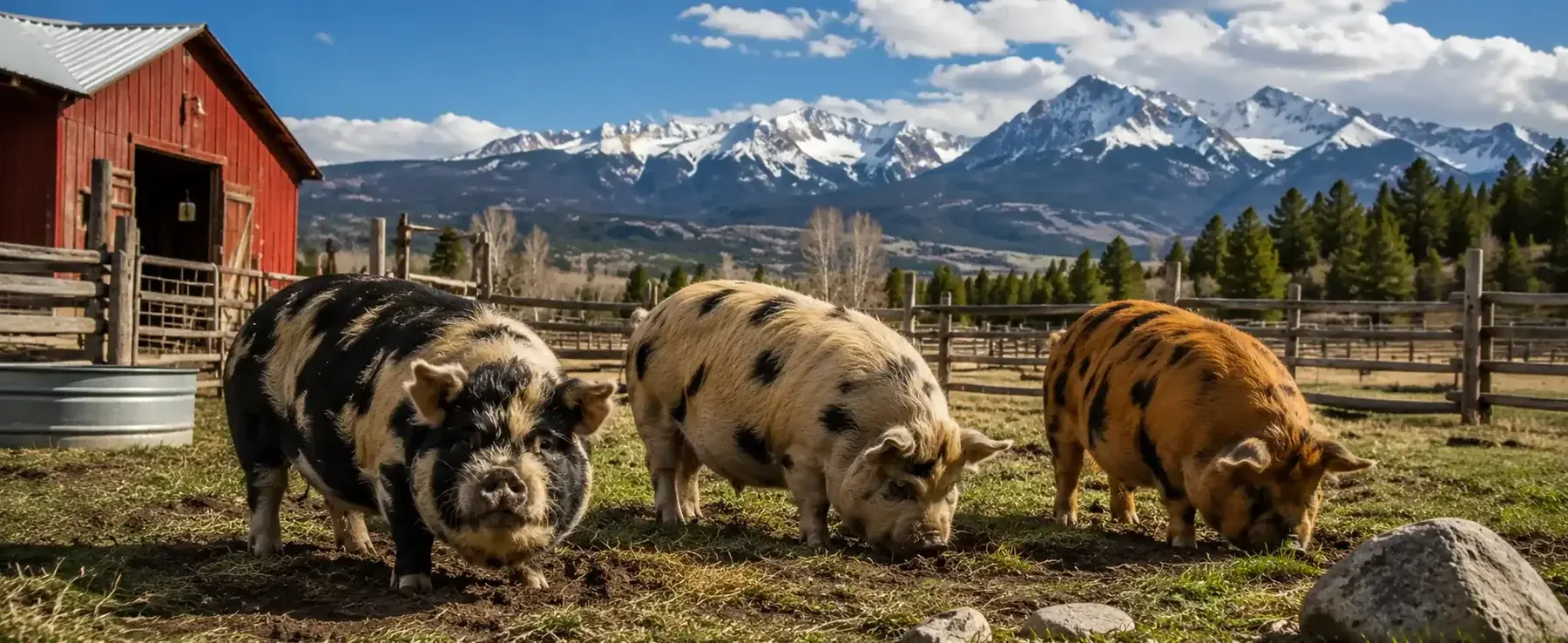
Kunekune pigs in Colorado: practical guidance on climate, pasture, fencing, shelter, seasonal care, and planning for owners and buyers.
State guide
Colorado plans should account for elevation, intense sun, snow, wind, dry air, wildfire risk, and large differences between plains, foothills, and mountain properties. Use the state guidance as a property checklist: shelter location, water reliability, pasture rest, fencing strength, vet access, and local permission should be settled before pigs come home.
Start with secure fencing, dry shelter, reliable water, feed storage, a pig-capable vet, and a check of the local rules. Then adjust the routine for your part of the state: Front Range, Eastern plains, Western slope and mountains.
Colorado regions
Start with the part of the state you live in: Front Range, Eastern plains, Western slope and mountains. Each area changes shelter placement, fencing pressure, water access, and pasture expectations.
Build for the hardest local season first, then refine the layout for the specific county, acreage, and chore path.
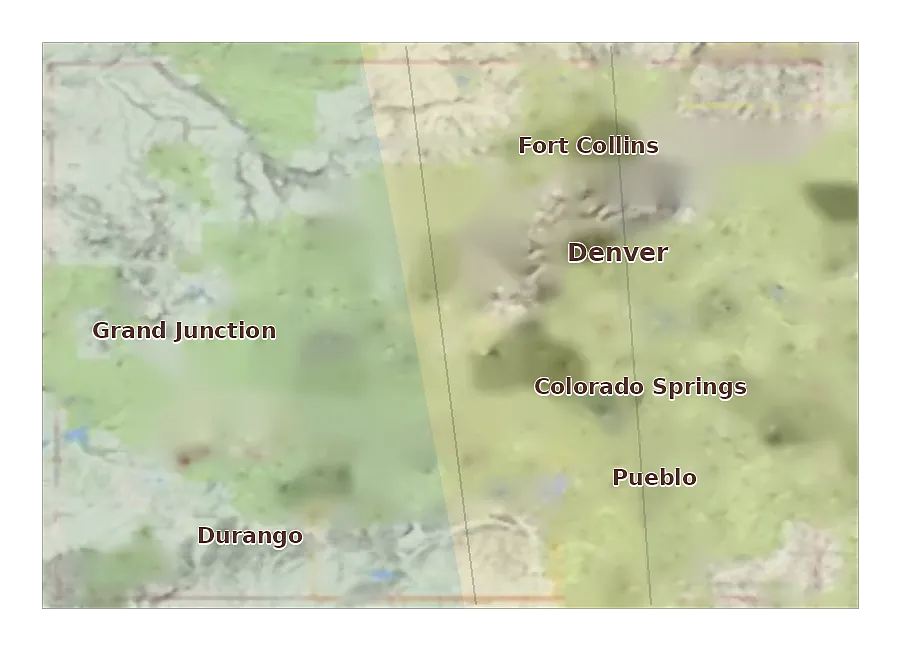
Elevation, terrain, weather, drainage, and pasture can change a lot within one state. Use the region that looks most like your property.
Wind, hail, variable winter storms, and suburban-edge zoning.
Use secure fencing, shade, heated water, and verify local rules.
Dry wind, hot summers, cold winters, and limited natural shade.
Build windbreaks, shade structures, and reliable water redundancy.
Snow, predator pressure, and short pasture seasons.
Use stronger shelters, winter bedding, and hay storage.
More detail
Open the sections you need. State-specific conditions stay here; general health, transport, buying, and cost guidance lives in the Knowledge Base so it stays current in one place.
Start here
In Colorado, the setup usually succeeds or fails on shade, water reserve, dust control, drought-aware feeding, wind or storm exposure, and secure fencing.
The goal is practical adaptation. A setup that works in one county may need different shade, drainage, bedding, water backup, or predator protection in another.
What changes by region: Front Range: Use secure fencing, shade, heated water, and verify local rules. Eastern plains: Build windbreaks, shade structures, and reliable water redundancy.
Use the rest of this guide to decide where water and shelter should go, when pasture can help, when you will need hay or feed, and what to check before transport.
Kunekunes are usually chosen for temperament, manageable size, and pasture use rather than maximum-speed pork production. They can fit dry-climate homesteads that want a calm, smaller pig and are realistic about shade, minerals, hay or measured feed, water redundancy, and pasture that may be seasonal or irrigated rather than dependable year-round.
That does not make them no-work livestock. In Colorado, they still need secure fencing, shade or weather protection, clean water, minerals, body-condition checks, hoof care, parasite planning, quarantine for new arrivals, and a realistic feed plan when pasture is not enough.
Property and daily care
Start with the weather and ground on your own property. Dry-region climate planning starts with water reserve, shade geometry, dust, wind, and storm runoff instead of pasture assumptions.
The practical test is whether pigs still have shade and water at the hottest part of the day and firm footing after the rare storm that moves a lot of water at once.
Make water easy to reach and easy to keep clean. Water should be easy for pigs to reach and easy for people to clean, refill, protect, and back up when weather or travel interrupts the normal routine.
Use shaded water, backup capacity, and trough placement that can handle dust, evaporation, heat, and long chore distances.
Regional water check: Front Range: Use secure fencing, shade, heated water, and verify local rules. Eastern plains: Build windbreaks, shade structures, and reliable water redundancy.
Pasture can help, but do not count on grass year-round. Pasture works best as a managed rotation system, not a promise that grass alone will carry the herd all year.
Treat forage as seasonal or irrigated unless the property proves otherwise; hay, minerals, measured feed, and careful stocking often carry the plan.
Regional pasture check: Front Range: Use secure fencing, shade, heated water, and verify local rules. Eastern plains: Build windbreaks, shade structures, and reliable water redundancy.
Feed for the pig in front of you and the season you are in. Feed planning should account for drought, hay availability, sparse pasture, minerals, and body condition instead of assuming grass is dependable.
A realistic plan combines pasture, hay or forage support, minerals, and measured supplemental feed. Store feed where the local risks will not ruin it: humidity, rodents, wildlife, dust, freezing, flooding, or heat.
Regional feed check: Front Range: Use secure fencing, shade, heated water, and verify local rules. Eastern plains: Build windbreaks, shade structures, and reliable water redundancy.
Fence before pigs arrive. In Colorado, fencing needs to match terrain, weather, predator pressure, and daily chore traffic. Ground note: Dust, dry lots, snow, ice, and spring mud all need planned traffic areas and shelter pads.
Pay extra attention to piglets, farrowing areas, feed, and nighttime pens. In Colorado, plan around Coyotes, loose dogs, foxes, and mountain lions while paying special attention to farrowing areas, feed storage, and nighttime containment.
Most mature Kunekunes are sturdy, but young piglets, farrowing sows, spilled feed, and quiet corners of a paddock need extra attention. Use secure perimeter fencing, close gates consistently, protect feed storage, and provide a stronger night or farrowing pen when young pigs are on the ground.
Build shelter for the weather you actually get. Dry-country shelters should create reliable shade, resist wind, shed storm runoff, and let pigs rest off hot or dusty ground.
A good shelter is less about copying a barn shape and more about placing a dry resting area where pigs can escape the local stress: heat, cold rain, wind, storms, insects, or damp bedding.
Regional shelter check: Front Range: Use secure fencing, shade, heated water, and verify local rules. Eastern plains: Build windbreaks, shade structures, and reliable water redundancy.
Good footing makes daily pig care much easier. Healthy footing depends on moving pressure away from the same gates, troughs, shelters, and feeding corners before they become manure-heavy or unsafe.
Use the state-specific ground note as a warning sign: Dust, dry lots, snow, ice, and spring mud all need planned traffic areas and shelter pads. Protect those pressure points before they collect at the same gates, troughs, shelters, and feeding corners.
Seasonal and health planning
The seasonal routine in Colorado should change with the season. Spring is for footing and pasture recovery, summer is for shade and water stress, fall is for repairs and winterization, and winter is for bedding, access, and water reliability.
Main seasonal pressure: Frozen water, wind, sun exposure, hail, drought, coyotes, mountain lions in some areas, and variable county rules.
Use the cards below as a starting point, then adjust for your county, pasture size, shelter, and herd.
Breeding and movement
When you can, plan breeding so farrowing misses the roughest weather. In Colorado, avoid the harshest local heat, cold, mud, storm, wildfire-smoke, transport, or access windows when possible.
Property note: Front Range: Use secure fencing, shade, heated water, and verify local rules. Eastern plains: Build windbreaks, shade structures, and reliable water redundancy.
Rules and long-term planning
Check the property rules before you buy. Verify county, subdivision, water-access, and acreage rules, especially on small foothill or Front Range properties.
The biggest Colorado mistake is assuming dry ground means easy pig care while heat, water access, hard footing, dust, and sparse pasture are not solved.
Why it matters: that one weak spot usually becomes the daily problem once local pressure builds around frozen water, wind, sun exposure, and hail.
Practical fix: Plan shade, backup water, hay or feed storage, hoof/skin checks, and dry-lot footing before pasture quality drops or heat makes daily chores urgent. Walk the route from trailer unload to quarantine, water, shelter, and feeding area during the least convenient weather before pigs arrive.
Regional stress test: Front Range: Use secure fencing, shade, heated water, and verify local rules. Eastern plains: Build windbreaks, shade structures, and reliable water redundancy.
Colorado can work well for Kunekune pigs when the setup matches the local weather and the property you actually have.
Best fit: Owners with wind protection, freeze-proof water, and realistic hay/feed plans for dry seasons..
Deal-breakers to solve first: Frozen water, wind, sun exposure, hail, drought, coyotes, mountain lions in some areas, and variable county rules..
Seasonal care
Before pigs arrive
Before buying Kunekune piglets in Colorado, have the basics ready. Pigs settle in much easier when fencing, shelter, water, quarantine, transport, and vet support are handled before pickup.
Confirm the exact property is allowed for pigs, then check setbacks, manure handling, neighbor distance, and any animal-number or breeding restrictions before a deposit is placed. Before buying, confirm afternoon shade, backup water, dry-lot footing, feed storage, hauling distance, and the rules that apply to small livestock on that property.
Regional check: Front Range: Use secure fencing, shade, heated water, and verify local rules. Eastern plains: Build windbreaks, shade structures, and reliable water redundancy.
Contact the local zoning or animal-control office for the exact property before purchase; ask how pig allowances, setbacks, manure, nuisance rules, and neighborhood restrictions apply in Colorado.
Use secure gates and perimeter fencing suited to Colorado terrain, daily chore traffic, and predator pressure. Recheck low spots, latches, and farrowing areas before pigs arrive.
Before pickup, set the shelter on the best-drained spot you have, bed it deeply enough for the season, and make sure pigs can enter without standing in runoff or manure.
Choose trough locations that can be cleaned daily, reached during bad weather, and protected from churned footing around the rim.
Decide where pigs go when the best paddock needs rest, when grass slows, or when high-traffic areas need time to dry out.
Confirm pig-capable vet support before an emergency and ask about parasites, vaccines, hoof care, tusks, quarantine, and the local risks in Colorado.
Separate new pigs after arrival before adding them to an existing herd. Place quarantine where unloading is calm, water is ready, and daily observation is easy.
Before buying, confirm the setup works during the hardest local season, not only on a mild day.
Sources & verification
Animal-health and movement requirements can change. Use these official references with your veterinarian before moving pigs, and verify local property rules separately.
Common questions
Yes. Kunekune pigs can work well for Colorado homesteads and small farms when owners plan for dry air, strong sun, cold nights, wind, snow, safe shelter, secure fencing, and dependable water.
The hardest part is usually balancing sun, wind, dry conditions, winter shelter, and water access. Colorado owners should plan shade, dry bedding, wind protection, and unfrozen water before piglets arrive.
Often, yes, but grass varies a lot by elevation, rainfall, irrigation, and season. Kunekunes still need feed, minerals, shelter, fencing, water, and pasture rest.
Ask about health, temperament, parent size, registration, current diet, hoof care, parasite care, pickup timing, and what setup the breeder recommends for your part of Colorado.
Yes. Check city, county, zoning, HOA, nuisance, and animal-control rules before bringing pigs home. Front Range suburbs, mountain towns, and rural counties can have very different rules.
Related reading
Keep learning
Conditions and local rules can change from one property to the next. Read the Knowledge Base for more on care, feeding, and breeding, or choose another state guide.