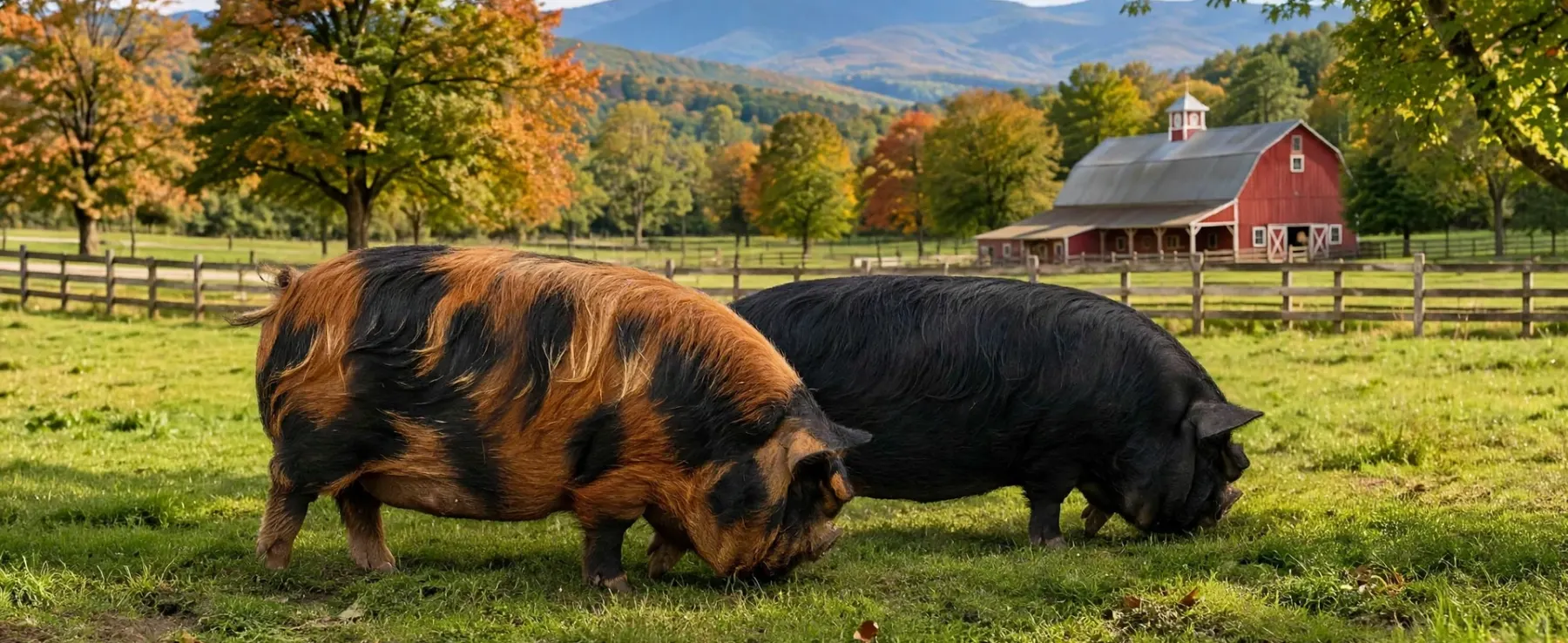
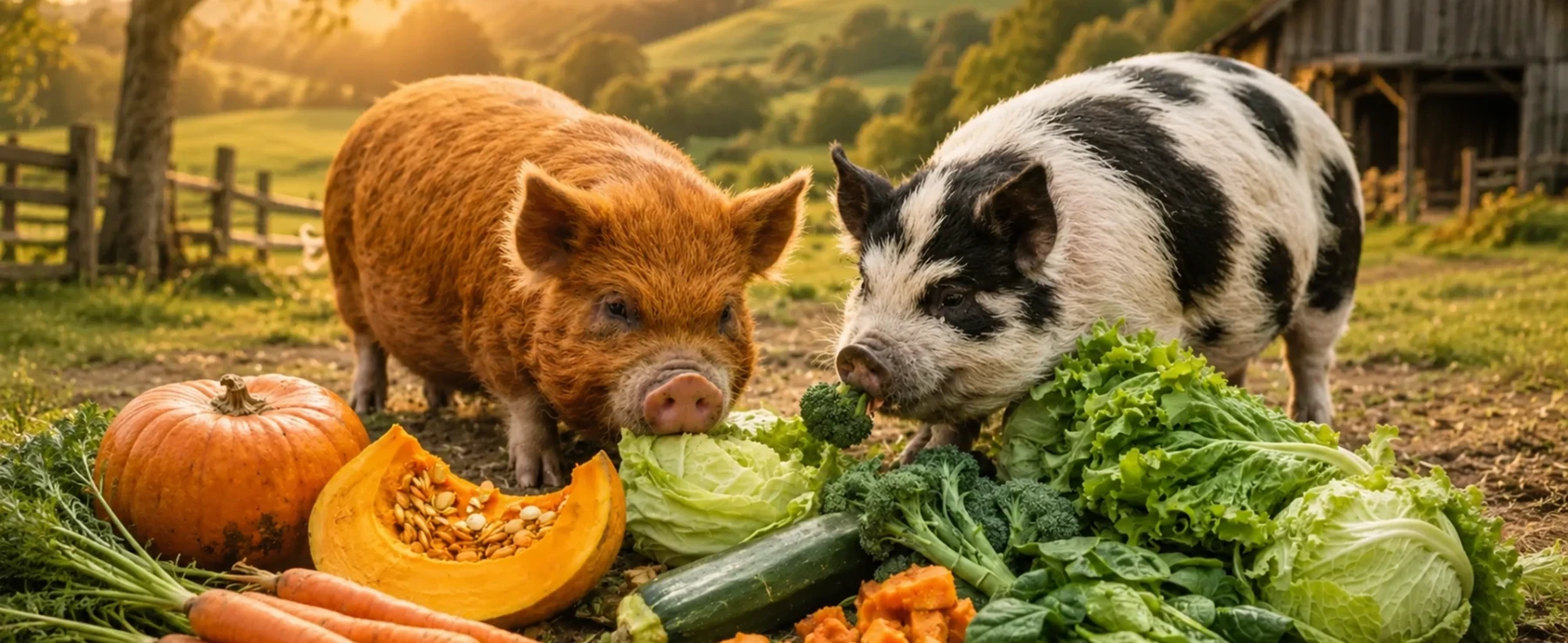
Kunekune pigs at BF Farm
Florida Field Guide

Kunekune Pigs in Florida

Learn how to raise Kunekune pigs in Florida, including finding piglets, heat and humidity care, shade, wallows, pasture, drainage, fencing, shelter, local rules, and buyer questions.

Start with your own property.

Florida plans should be tropical and subtropical: heat, humidity, year-round parasites, hurricanes, insects, shade, drainage, and water quality come first. Use the state guidance as a property checklist: shelter location, water reliability, pasture rest, fencing strength, vet access, and local permission should be settled before pigs come home.

Start with secure fencing, dry shelter, reliable water, feed storage, a pig-capable vet, and a check of the local rules. Then adjust the routine for your part of the state: North Florida, Central Florida, South Florida and coastal areas.

Different parts of the state need different setups.

Start with the part of the state you live in: North Florida, Central Florida, South Florida and coastal areas. Each area changes shelter placement, fencing pressure, water access, and pasture expectations.

Build for the hardest local season first, then refine the layout for the specific county, acreage, and chore path.

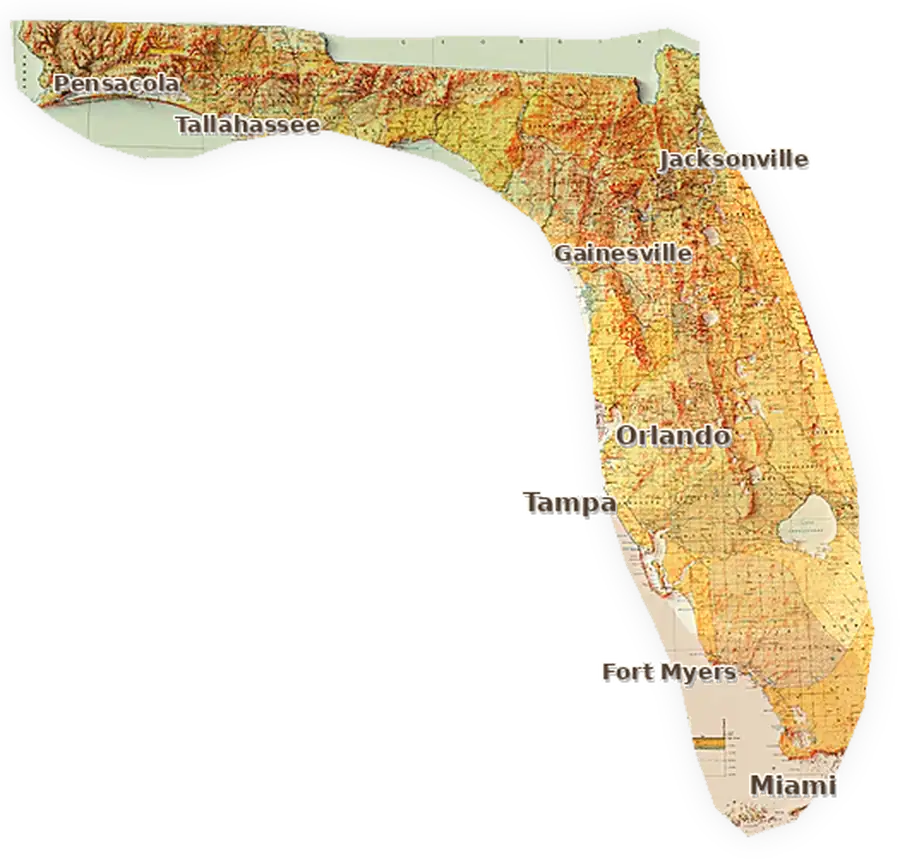
Topographic care map for Kunekune planning in Florida
Use this map with the notes below.

Elevation, terrain, weather, drainage, and pasture can change a lot within one state. Use the region that looks most like your property.

North Florida

Cooler winters than the peninsula but humid summers and heavy rain.

Setup focus

Use shade, drainage, and winter cold-snap bedding.
Central Florida

Heat, sand, storms, and year-round insects.

Setup focus

Use shade, parasite-aware rotation, and secure feed storage.

South Florida and coastal areas

Hotter, wetter, and storm-prone.

Setup focus

Plan hurricane readiness, raised shelters, and strong water backup.

Kunekune care in Florida.

Open the sections you need. You do not have to read the whole page at once.

Is this setup a good fit?

Why Florida Is Different for Kunekune Pigs

In Florida, the weak spots usually appear where humid heat, insects, wet ground, storm runoff, and parasite cycles meet daily chores. Shade, drainage, water sanitation, and quarantine matter before pigs arrive.

The goal is practical adaptation. A setup that works in one county may need different shade, drainage, bedding, water backup, or predator protection in another.

What changes by region: North Florida: Use shade, drainage, and winter cold-snap bedding. Central Florida: Use shade, parasite-aware rotation, and secure feed storage.

Use the rest of this guide to decide where water and shelter should go, when pasture can help, when you will need hay or feed, and what to check before transport.

Are Kunekunes the Right Pig for Florida?

Kunekunes are usually chosen for temperament, manageable size, and pasture use rather than maximum-speed pork production. They can fit tropical and subtropical homesteads when owners want a calmer grazing pig and are ready to manage shade, airflow, clean water, parasites, feed storage, and storm preparation every month of the year.

That does not make them no-work livestock. In Florida, they still need secure fencing, shade or weather protection, clean water, minerals, body-condition checks, hoof care, parasite planning, quarantine for new arrivals, and a realistic feed plan when pasture is not enough.

  • Better fit: Owners with shade, wallows/cooling zones, drainage, and strong parasite management with a veterinarian.
  • Think twice if: the owner wants an animal that can live on grass alone in humid weather, or if shade, dry bedding, parasite monitoring, and storm-safe feed storage are not ready.
  • Compared with many commercial hogs: Kunekunes are typically managed more as slow-growing homestead, pet, breeding, or pasture companion pigs, not as confinement feeder pigs.
  • Compared with goats or sheep: they still need pig-appropriate fencing, mud management, wallow or cooling options in heat, and swine-aware veterinary support.

Water, pasture, feed, fencing, and shelter.

Climate Management in Florida

Start with the weather and ground on your own property. Warm-humid climate planning starts with heat load, storm water, insects, and dry resting space instead of a closed-barn mindset.

The practical test is whether pigs can drink clean water, cool off, avoid manure-heavy mud, and rest dry after several rainy days in a row.

  • Regional fit: compare the property against North Florida, Central Florida, South Florida and coastal areas before placing shelters or water.
  • Hardest season: Cool-season comfort is easier; the hard seasons are humid summer, hurricane season, and wet periods that raise parasite pressure.
  • Daily comfort: pigs need a choice between dry bedding, shade or wind protection, clean water, and firm footing.
Water Planning

Make water easy to reach and easy to keep clean. Water planning should assume high use, fast algae growth, mosquito pressure, and possible storm or power interruptions.

Use more than one shaded water point when possible, keep containers clean enough that pigs keep drinking, and avoid trough pads that become manure-heavy mud during rainy stretches.

  • Placement: keep troughs reachable without turning the area into a mud, algae, sand, heat, or storm-runoff problem.
  • Backup: plan for power loss, storms, drought, heat, hurricane preparation, flooding, or transport delays before they happen.
  • Sanitation: clean algae, feed sludge, mosquito scum, and manure contamination before pigs avoid the trough.
  • Piglets: avoid deep containers young pigs can climb into or chill in.

Regional water check: North Florida: Use shade, drainage, and winter cold-snap bedding. Central Florida: Use shade, parasite-aware rotation, and secure feed storage.

Pasture Expectations in Florida

Pasture can help, but do not count on grass year-round. Grass may grow for long stretches, but wet soil, sand, stocking pressure, and parasites mean rotation and rest are still required.

Move pigs before low spots are churned, avoid letting green grass hide parasite buildup, and use sacrifice areas when storms or overuse make pasture unhealthy.

  • Rotation: move pigs before roots, gates, and shade spots are damaged.
  • Rest: rested paddocks lower mud, manure concentration, and parasite pressure.
  • Feed support: plan hay or measured feed when forage is overgrazed, heat-stressed, flooded, parasite-heavy, too sparse, or too stemmy.
  • Body condition: check pigs by hand because a shaggy coat can hide weight changes.

Regional pasture check: North Florida: Use shade, drainage, and winter cold-snap bedding. Central Florida: Use shade, parasite-aware rotation, and secure feed storage.

Feeding Kunekune Pigs in Florida

Feed for the pig in front of you and the season you are in. Feed planning should account for humidity, mold risk, forage swings, storm storage, and body-condition checks during hot weather.

A realistic plan combines pasture, hay or forage support, minerals, and measured supplemental feed. Store feed where the local risks will not ruin it: humidity, rodents, wildlife, dust, flooding, storms, or heat.

  • Breeding stock: sows, boars, growing pigs, and lactating sows may need different rations than pets.
  • Seasonal changes: adjust feed when grass slows, heat reduces appetite, mud limits grazing, storms disrupt routines, or parasite pressure changes.
  • Cost planning: price hay, minerals, feed, and storage before buying piglets.

Regional feed check: North Florida: Use shade, drainage, and winter cold-snap bedding. Central Florida: Use shade, parasite-aware rotation, and secure feed storage.

Fencing

Fence before pigs arrive. In Florida, fencing needs to match terrain, weather, predator pressure, and daily chore traffic. Ground note: Mud, sand, standing water, and manure buildup can all affect hoof health and parasite pressure.

  • Perimeter: woven wire, hog panels, sturdy gates, and properly trained electric offset fencing can all work when installed correctly.
  • Terrain: inspect low spots, slopes, soft soil, storm washouts, sand gaps, erosion, or rooted fence edges that can open escape points.
  • Predators: Coyotes, loose dogs, bobcats, black bears in some regions, alligators near water in some areas, and feral hog contact risk., especially around piglets and farrowing spaces.
  • Daily use: gates, latches, and water access points should be easy to manage in the state's worst practical weather.
Predator Concerns

Pay extra attention to piglets, farrowing areas, feed, and nighttime pens. In Florida, plan around Coyotes, loose dogs, bobcats, and black bears in some regions while paying special attention to farrowing areas, feed storage, and nighttime containment.

Most mature Kunekunes are sturdy, but young piglets, farrowing sows, spilled feed, and quiet corners of a paddock need extra attention. Use secure perimeter fencing, close gates consistently, protect feed storage, and provide a stronger night or farrowing pen when young pigs are on the ground.

Shelter Needs

Build shelter for the weather you actually get. For tropical and subtropical properties, shelter should create deep shade and airflow while moving roof water away from bedding, gates, and feeding areas.

Think open, shaded, and dry: pigs need relief from solar heat and humid air, but the sleeping area still has to stay above runoff after heavy rain.

  • Dry bedding: place shelters away from runoff, roof drip lines, and manure-heavy gates.
  • Ventilation: avoid trapping humid, stale air around bedding in warm weather.
  • Weather exposure: face openings, overhangs, bedding depth, and windbreaks toward the local storm, sun, heat, wind, or rain pattern.

Regional shelter check: North Florida: Use shade, drainage, and winter cold-snap bedding. Central Florida: Use shade, parasite-aware rotation, and secure feed storage.

Mud, Drainage, Flies, and Manure Management

Good footing makes daily pig care much easier. Warm tropical ground pressure is usually mud, manure, sand, flies, and runoff around the same high-use corners; fix those zones before pigs are forced to live on them.

Use the state-specific ground note as a warning sign: Mud, sand, standing water, and manure buildup can all affect hoof health and parasite pressure. Protect those pressure points before they collect at the same gates, troughs, shelters, and feeding corners.

  • High-traffic zones: gates, feeders, shelters, and waterers need the most protection.
  • Sacrifice areas: small dry lots or firm pads can save pasture during wet, flooded, drought-stressed, storm-damaged, or overused periods.
  • Manure routine: regular cleanup reduces odor, flies, mud pressure, and parasite exposure.
  • Footing: fix slippery, muddy, dusty, sandy, eroded, or manure-packed spots before they become health problems.

Prepare for the hard parts of the year.

Season-by-Season Kunekune Care in Florida

The seasonal routine in Florida should change with the season. Spring is for footing and pasture recovery, summer is for shade and water stress, fall is for repairs and winterization, and winter is for bedding, access, and water reliability.

Main seasonal pressure: Humid heat, fly pressure, parasite cycles, hurricanes, flooding, feral hog exposure, coyotes, loose dogs, and zoning.

Use the cards below as a starting point, then adjust for your county, pasture size, shelter, and herd.

Health, Hoof Care, and Vet Planning

Line up a pig-capable livestock veterinarian before there is an emergency. In Florida, discuss parasite monitoring, vaccination recommendations if appropriate, hoof care, tusk care for mature boars, skin problems from sun or mud, and quarantine for new arrivals.

Use fecal checks, fly control, dry resting areas, hoof checks, skin monitoring, and strict quarantine to stay ahead of parasite and humidity-related problems. Keep written records for registration, transport, treatments, breeding, parasite checks, hoof trims, and arrivals.

Ask your vet about: Humid heat, fly pressure, parasite cycles, hurricanes, flooding, feral hog exposure, coyotes, loose dogs, and zoning.. Use that list when you talk with your veterinarian instead of relying on one schedule for every herd.

Breed and Care Notes Behind This Guide

The breed matters, but management matters more. Kunekunes are widely valued as friendly, smaller grazing pigs, and Oklahoma State University's breed profile describes them as placid, friendly, easy to maintain, and capable of grazing well. The same profile also warns that they still need shelter from wet and cold and can become too fat if managed like grain-fed sty pigs.

Apply that breed advice to Florida: check the management plan against local pressure from humid heat, fly pressure, parasite cycles, and hurricanes instead of copying a setup from a different climate or property type.

For transport and purchase planning, do the same basic check every time: verify current requirements with a veterinarian and the receiving state before pigs move. USDA APHIS notes that interstate animal movement requirements can include health certificates, diagnostic testing, vaccinations, treatments, or other destination-state requirements, and official identification supports disease traceability.

Reference points used for this guideOklahoma State University: Kunekune SwineUSDA APHIS: State-to-State Animal Movement RequirementsUSDA APHIS: Official Animal Identification

This guide is educational. Local rules, import requirements, and veterinary recommendations can change, so buyers should verify the current requirements for the exact property and travel route.

Breeding, farrowing, transport, and records.

Breeding and Farrowing Considerations

When you can, plan breeding so farrowing misses the roughest weather. In Florida, avoid the harshest local heat, humidity, mud, storm, hurricane, flooding, transport, or access windows when possible.

Property note: North Florida: Use shade, drainage, and winter cold-snap bedding. Central Florida: Use shade, parasite-aware rotation, and secure feed storage.

  • Sow setup: provide a dry, protected farrowing space with bedding and room to separate animals if needed.
  • Piglet protection: plan warmth, shade, predator control, and safe footing before labor begins.
  • Boar management: keep mature boars secure and handle breeding groups intentionally.
  • Registration goals: evaluate parent stock, temperament, teats, feet, movement, and registry status before producing litters.
Transporting Kunekune Pigs Into or Within Florida

Plan the trip before purchase day. Move pigs during cooler hours and avoid hurricane watches, extreme humidity, and long delays without airflow.

  • Weather: avoid heat stress, dangerous roads, storms, smoke, flooding, hurricane conditions, or long delays without airflow.
  • Paperwork: confirm current animal movement documents with the veterinarian and destination state before travel.
  • Arrival: unload into a secure pen with water, bedding, and quiet space before introducing other animals.
  • Quarantine: watch new arrivals for stress, appetite, lameness, coughing, diarrhea, skin issues, or unusual behavior.
Official Movement, Transport, and Source Checks

Florida transport reality: Move pigs during cooler hours and avoid hurricane watches, extreme humidity, and long delays without airflow.

Movement rules should be checked before purchase day, not after a deposit is placed. Requirements can depend on origin state, destination state, route, age, identification, health status, and whether the animal is a pet, breeding prospect, show animal, or slaughter animal.

  • Ask your veterinarian: confirm whether a CVI, official identification, tests, vaccinations, or permits are needed.
  • Check the destination state: state animal-health offices may set import rules that change over time.
  • Check the local level: county, city, township, and HOA rules may control whether pigs are allowed at the property.
  • Plan quarantine: give new pigs a separate space before mixing them with an existing herd.
  • Keep records: save breeder information, registration details, health paperwork, transport dates, and vet contacts.
Official verification linksUSDA APHIS: State-to-State Animal Movement RequirementsUSDA APHIS: Official Animal IdentificationState Animal Health Officials Directory

This guide is educational and should be verified against current official requirements before animals are moved.

Local rules, costs, and common setup mistakes.

Local Rules and Zoning

Check the property rules before you buy. Check county, city, HOA, flood zone, waste, and animal-number rules before pigs arrive.

  • Confirm whether pigs are allowed before buying.
  • Ask about minimum acreage, shelter setbacks, manure handling, and limits on boars or breeding.
  • Keep written notes from local offices when possible.
  • Recheck rules before expanding from pets to breeding animals.
Choosing pigs for your property and plans

Choose pigs that fit your property and what you want them for. Ask breeders how the piglet has been managed in relation to climate, water, pasture, parasites, fencing, and transport.

Ask breeders about registration, parent size, temperament, weaning age, health history, parasite management, transport, quarantine, and whether a piglet is best suited as a pet, barrow, gilt, boar, or breeding prospect. A low purchase price can become expensive if fencing, shelter, water, vet access, or transport are not ready.

Good fit for: Owners with shade, wallows/cooling zones, drainage, and strong parasite management with a veterinarian.. Ask whether the specific piglet fits that plan as a pet, barrow, gilt, boar, or breeding prospect.

Cost and Infrastructure Planning

The pig is only one part of the cost. Price fencing, gates, shelter, bedding, hay, feed, minerals, water equipment, vet care, parasite monitoring, transport, quarantine, and seasonal upgrades before buying.

The budget should favor the pieces that prevent daily problems: secure gates, firm water pads, dry bedding, covered feed storage, parasite monitoring, transport planning, and seasonal repairs.

Budget pressure in Florida: Humid heat, fly pressure, parasite cycles, hurricanes, flooding, feral hog exposure, coyotes, loose dogs, and zoning..

  • Before buying: price fencing, water, shelter, and transport.
  • First year: budget for feed, hay, bedding, vet care, and emergency fixes.
  • Long term: plan pasture rest, shelter maintenance, replacement gates, and seasonal equipment.
Biggest Florida Setup Mistake

The biggest Florida mistake is letting green grass hide the real problems: heat load, parasite pressure, wet bedding, algae, and feed spoilage.

Why it matters: that one weak spot usually becomes the daily problem once local pressure builds around humid heat, fly pressure, parasite cycles, and hurricanes.

Practical fix: Prepare shade, airflow, trough cleaning, dry resting space, parasite conversations with a veterinarian, and storm backup before the first humid stretch exposes the setup. Walk the route from trailer unload to quarantine, water, shelter, and feeding area during the least convenient weather before pigs arrive.

Regional stress test: North Florida: Use shade, drainage, and winter cold-snap bedding. Central Florida: Use shade, parasite-aware rotation, and secure feed storage.

Other Setup Mistakes to Avoid

Once the biggest Florida mistake is solved, handle the rest of the basics: finish the fence before pickup, place water where it can be cleaned, keep shelters dry, verify local rules, and leave room for quarantine.

  • Pasture mistake: relying on grass without rest time, hay or feed support, and body-condition checks.
  • Water mistake: using a trough location that becomes mud, algae, slick footing, or manure pressure.
  • Timing mistake: adding pigs before transport, vet support, and the hardest-season plan are settled.

Use the regional warning signs: North Florida: Use shade, drainage, and winter cold-snap bedding. Central Florida: Use shade, parasite-aware rotation, and secure feed storage.

Is Florida a Good State for Kunekune Pigs?

Florida can work well for Kunekune pigs when the setup matches the local weather and the property you actually have.

Best fit: Owners with shade, wallows/cooling zones, drainage, and strong parasite management with a veterinarian..

Deal-breakers to solve first: Humid heat, fly pressure, parasite cycles, hurricanes, flooding, feral hog exposure, coyotes, loose dogs, and zoning..

Final Thoughts

Use the Florida guide as a checklist: check water, shelter, fencing, feed storage, vet support, transport, and local rules before piglets come home.

The setup is ready when pigs can stay contained, watered, comfortable, easy to separate, and off unhealthy footing during the state's hardest season.

Before you are finished, make sure your plan also covers Humid heat, fly pressure, parasite cycles, hurricanes, flooding, feral hog exposure, coyotes, loose dogs, and zoning..

More notes for Florida.

Quick Answer

Florida plans should be tropical and subtropical: heat, humidity, year-round parasites, hurricanes, insects, shade, drainage, and water quality come first. Use the state guidance as a property checklist: shelter location, water reliability, pasture rest, fencing strength, vet access, and local permission should be settled before pigs come home.

Start with secure fencing, dry shelter, reliable water, feed storage, a pig-capable vet, and a check of the local rules. Then adjust the routine for your part of the state: North Florida, Central Florida, South Florida and coastal areas.

What changes through the year in Florida.

Spring

Spring

Spring in Florida should be used to repair wet areas, check parasite pressure, clean troughs, and confirm that shelters, feed storage, and quarantine pens stay dry after repeated rain. Adjust this across North Florida, Central Florida, South Florida and coastal areas instead of assuming every property dries, heats, or cold rain events the same way.
Summer

Summer

Summer care in Florida is heat and storm management: deep shade, airflow, wallow control, clean water, fly pressure, and backup supplies before tropical weather or power outages.
Fall

Fall

Fall should include hurricane-season cleanup, drainage checks, fence repair, and bedding replacement before small paddocks carry manure and mud into the cooler months.
Winter

Cool Season

Winter is the easier season in many Florida setups, but pigs still need dry bedding, shade on warm days, clean water, and local-rule checks before breeding or adding more animals.

Before your pigs come home in Florida.

Before buying Kunekune piglets in Florida, have the basics ready. Pigs settle in much easier when fencing, shelter, water, quarantine, transport, and vet support are handled before pickup.

Confirm the exact property is allowed for pigs, then check setbacks, manure handling, neighbor distance, and any animal-number or breeding restrictions before a deposit is placed. Walk the property through a wet-season lens: where water stands after rain, where shade lasts through the afternoon, where feed can stay dry, and where a new pig can quarantine away from the main herd.

Regional check: North Florida: Use shade, drainage, and winter cold-snap bedding. Central Florida: Use shade, parasite-aware rotation, and secure feed storage.

  1. Confirm local zoning allows pigs.

    Contact the local zoning or animal-control office for the exact property before purchase; ask how pig allowances, setbacks, manure, nuisance rules, and neighborhood restrictions apply in Florida.

  2. Build fencing before bringing pigs home.

    Use secure gates and perimeter fencing suited to Florida terrain, daily chore traffic, and predator pressure. Recheck low spots, latches, and farrowing areas before pigs arrive.

  3. Prepare shelter before transport.

    Set the shelter high, airy, and shaded before pickup, with bedding that can be replaced quickly after storms or long wet spells.

  4. Plan year-round water.

    Prepare shaded troughs, a cleaning routine, and a backup fill plan for hurricane preparation, outages, heat waves, or flooded access.

  5. Set realistic pasture and feed expectations.

    Map a rested paddock and a firm wet-weather area before pigs arrive so rotation does not depend on emergency moves.

  6. Find a livestock veterinarian.

    Confirm pig-capable vet support before an emergency and ask about parasites, vaccines, hoof care, tusks, quarantine, and the local risks in Florida.

  7. Prepare quarantine space.

    Separate new pigs after arrival before adding them to an existing herd. Place quarantine where unloading is calm, water is ready, and daily observation is easy.

  8. Plan the hardest season first.

    Before buying, confirm the setup works during the hardest local season, not only on a mild day.

Common Kunekune questions in Florida.

Are Kunekune pigs a good fit for Florida?

Yes. Kunekune pigs can work in Florida when owners plan carefully for heat, humidity, shade, wallows, fresh water, wet-season mud, parasites, storm prep, strong fencing, and local animal rules.

What is the hardest part of raising Kunekunes in Florida?

The hardest part is usually heat and humidity. Florida owners need reliable shade, cooling areas, fresh water, airflow, dry resting space, and a plan for heavy rain and storm season.

Can Kunekunes graze in Florida?

Often, yes, but grass, soil, drainage, and season matter. Florida pasture can grow fast, but pigs can still damage wet areas, and Kunekunes still need feed, minerals, shelter, fencing, and clean water.

What should Florida buyers ask before buying Kunekune piglets?

Ask about health, temperament, parent size, registration, current diet, parasite care, heat management, pickup timing, and what setup the breeder recommends for your part of Florida.

Do Florida owners need to check local rules before buying pigs?

Yes. Check county, city, zoning, HOA, nuisance, and animal-control rules before bringing pigs home. Rules can be very different between rural land, suburban lots, and coastal communities.

Use this guide as a starting point.

Conditions and local rules can change from one property to the next. Read the Knowledge Base for more on care, feeding, and breeding, or choose another state guide.