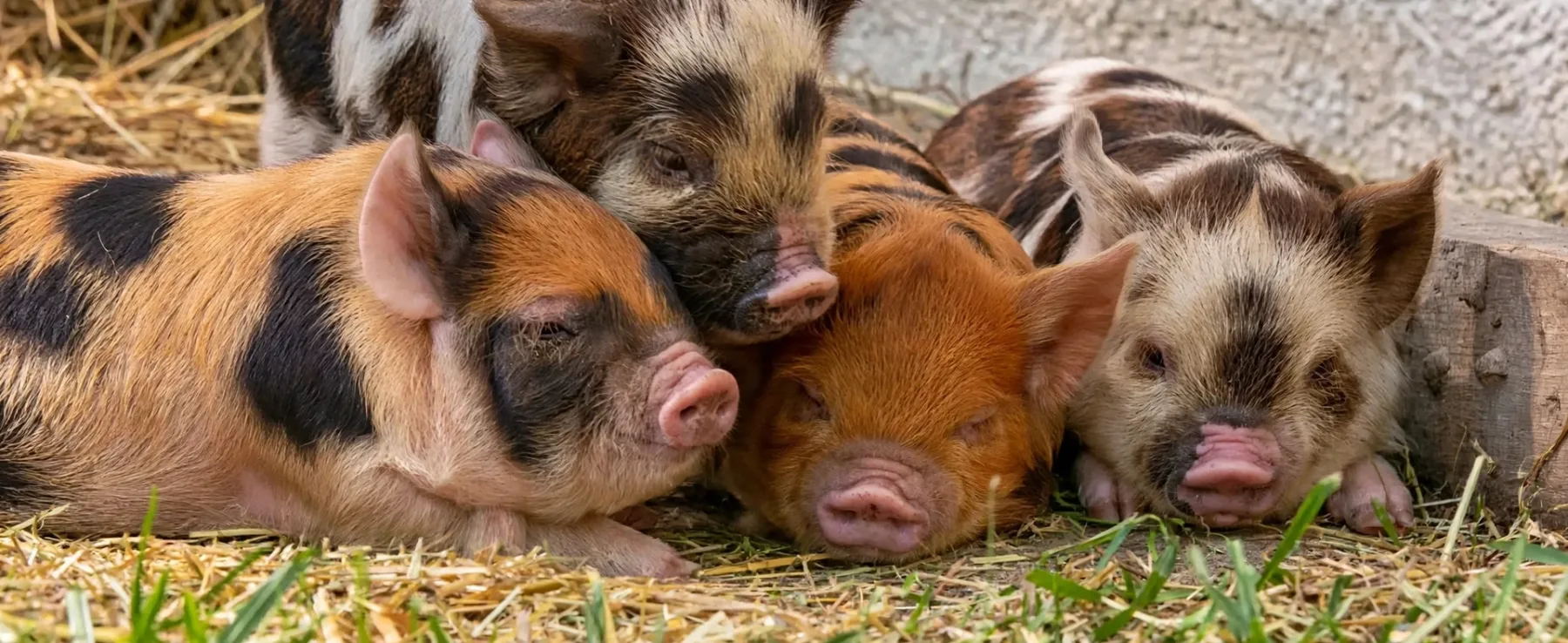
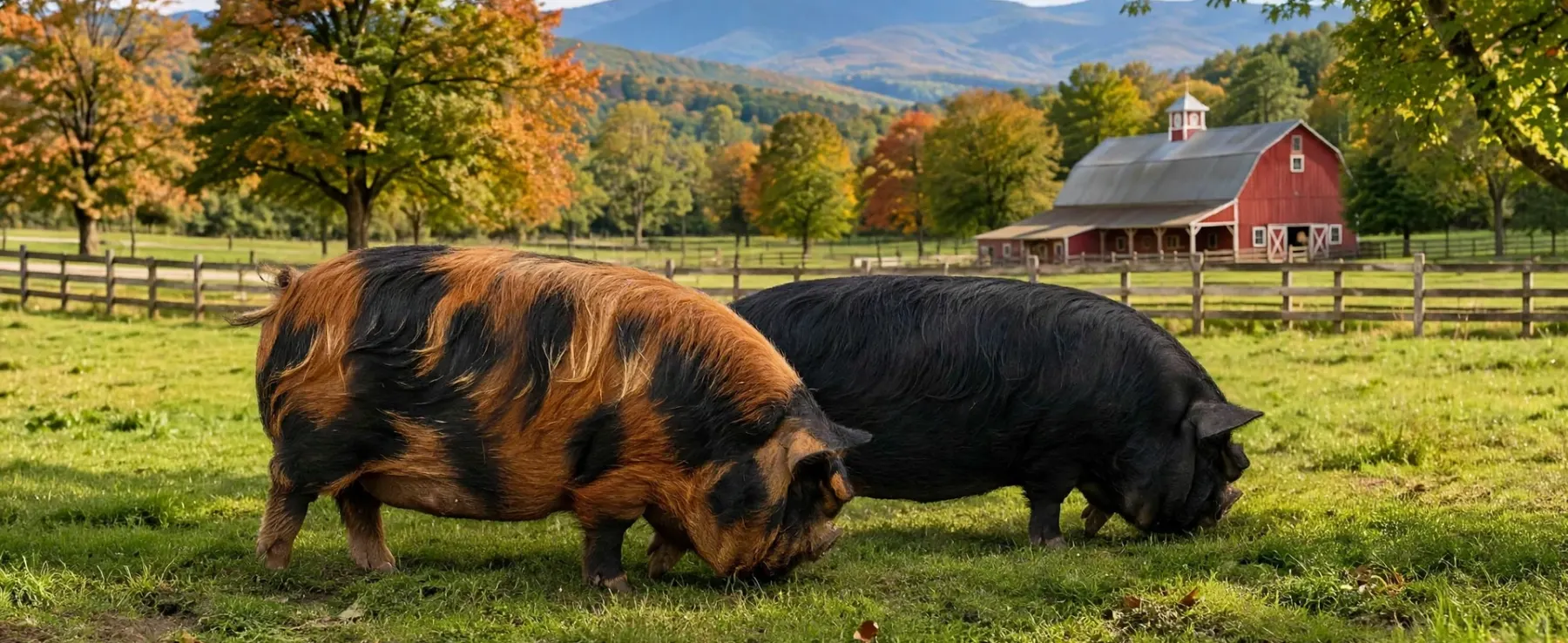
Kunekune pigs at BF Farm
Hawaii Field Guide

Kunekune Pigs in Hawaii

Learn how to raise Kunekune pigs in Hawaii, including finding piglets, tropical heat, shade, wallows, wet ground, fencing, shelter, parasites, local rules, and buyer questions.

Start with your own property.

Kunekune pigs can be raised in Hawaii when owners plan for tropical microclimates, shade, airflow, clean water, dry sleeping areas, parasite pressure, secure fencing, feed storage, quarantine, transport/import requirements, and local county or neighborhood rules before pigs arrive.

The right setup changes by property: wet windward paddocks, dry leeward lots, cooler uplands, steep parcels, and small county-zoned properties all need different drainage, water, shelter, and feed plans.

Different parts of the state need different setups.

Start with the region cards as the practical starting point for Hawaii. The goal is not to copy one setup across every island or microclimate; it is to adjust shelter, fencing, water, drainage, pasture expectations, and feed storage to the land where the pigs will actually live.

When in doubt, build for the wettest, hottest, muddiest, and stormiest conditions your property sees first.

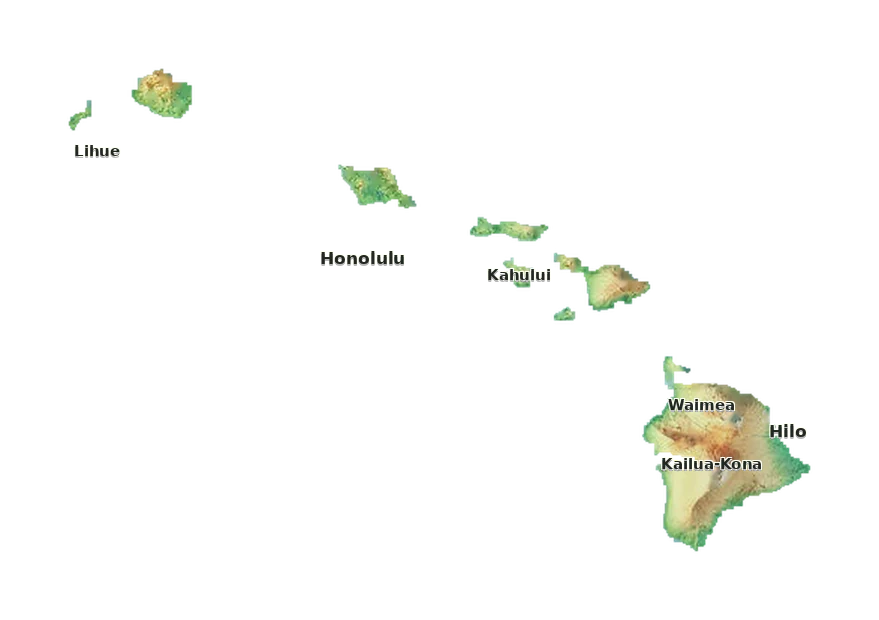
Topographic care map for Kunekune planning in Hawaii
Use this map with the notes below.

Elevation, terrain, weather, drainage, and pasture can change a lot within one state. Use the region that looks most like your property.

Windward/wet areas

Frequent rain, fast vegetation growth, muddy high-traffic areas, and strong parasite pressure.

Setup focus

Use raised dry sleeping areas, roof runoff control, trimmed vegetation, firm gate/water pads, and rotation before mud and parasites build.
Leeward/dry areas

More sun, drier forage, stronger water dependence, and higher heat stress risk during dry stretches.

Setup focus

Prioritize deep shade, backup water, shaded troughs, heat monitoring, and dry-season supplemental feed.

Upland areas

Cooler island elevations with variable rain, wind exposure, slopes, and faster weather changes.

Setup focus

Use wind and rain protection, dry bedding, secure fencing on slopes, and drainage planning without treating the area like a cold-winter climate.

Kunekune care in Hawaii.

Open the sections you need. You do not have to read the whole page at once.

Is this setup a good fit?

Why Hawaii Is Different for Kunekune Pigs

Hawaii is not a generic mainland pig-keeping location. Care changes between wet windward areas, drier leeward areas, cooler uplands, steep parcels, and small county-zoned properties.

Match paddocks, shelter, water systems, fencing, feed storage, quarantine, and parasite routines to the island microclimate where the pigs will actually live.

Main planning pressure: Humidity, heavy rain, mud, parasites, feed cost and storage, transport/import rules, feral pig contact, loose dogs, county restrictions, and tropical storms.

Are Kunekunes the Right Pig for Hawaii?

Kunekunes are usually chosen for temperament, manageable size, and pasture use rather than maximum-speed pork production. They can fit tropical and subtropical homesteads when owners want a calmer grazing pig and are ready to manage shade, airflow, clean water, parasites, feed storage, and storm preparation every month of the year.

That does not make them no-work livestock. In Hawaii, they still need secure fencing, shade or weather protection, clean water, minerals, body-condition checks, hoof care, parasite planning, quarantine for new arrivals, and a realistic feed plan when pasture is not enough.

  • Better fit: Owners who plan for tropical wet/dry microclimates, secure feed and vet support, and manage drainage, shade, biosecurity, and parasites year-round.
  • Think twice if: the owner wants an animal that can live on grass alone in humid weather, or if shade, dry bedding, parasite monitoring, and storm-safe feed storage are not ready.
  • Compared with many commercial hogs: Kunekunes are typically managed more as slow-growing homestead, pet, breeding, or pasture companion pigs, not as confinement feeder pigs.
  • Compared with goats or sheep: they still need pig-appropriate fencing, mud management, wallow or cooling options in heat, and swine-aware veterinary support.

Water, pasture, feed, fencing, and shelter.

Climate Management in Hawaii

Tropical microclimates, wet and dry patterns, humidity, fast vegetation growth, and strong biosecurity expectations shape Kunekune care in Hawaii. Kunekunes are hardy grazing pigs, but they still need shade, dry sleeping areas, ventilation, clean water, firm footing, and parasite-aware rotation.

Plan the shelter and paddock layout around the wettest, muddiest, hottest, and stormiest conditions your property sees, not around a mainland winter model.

Water Planning

Reliable clean water is needed year-round in Hawaii. Shade troughs where possible, clean algae quickly, protect water points from mud and storm runoff, and keep a backup plan for dry stretches, supply interruptions, or storm-related access problems.

  • Wet areas: keep water points from turning into manure-packed mud.
  • Dry areas: plan extra capacity and shaded troughs before heat builds.
  • Piglets: avoid deep containers young pigs can climb into.
Pasture Expectations in Hawaii

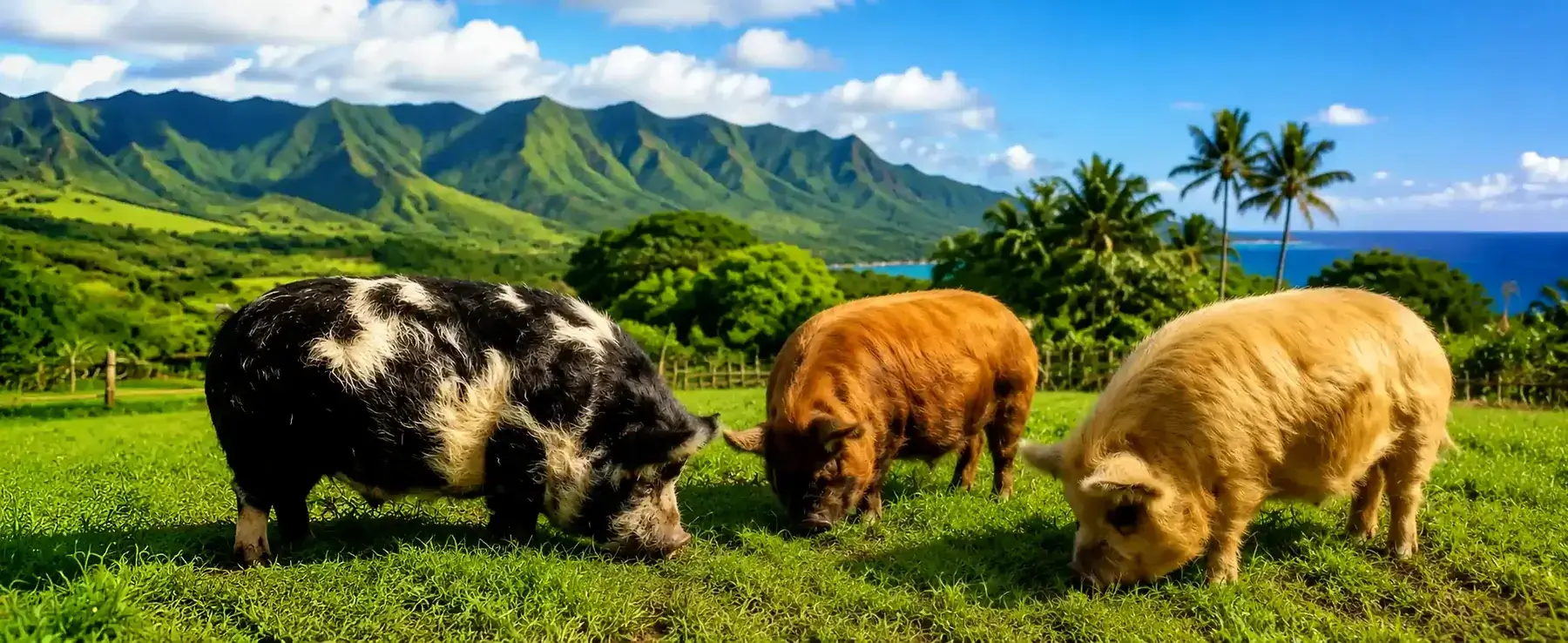
Pasture can grow through much of the year in wet areas, but Hawaii grazing is still limited by terrain, rainfall, stocking pressure, forage type, mud, and parasite load. Kunekunes can graze well, but pasture is not a no-feed guarantee.

Watch body condition, rotate before roots and gate areas are damaged, rest paddocks, and plan hay or supplemental feed when grass is overgrazed, too wet, too stemmy, or seasonally limited.

Feeding Kunekune Pigs in Hawaii

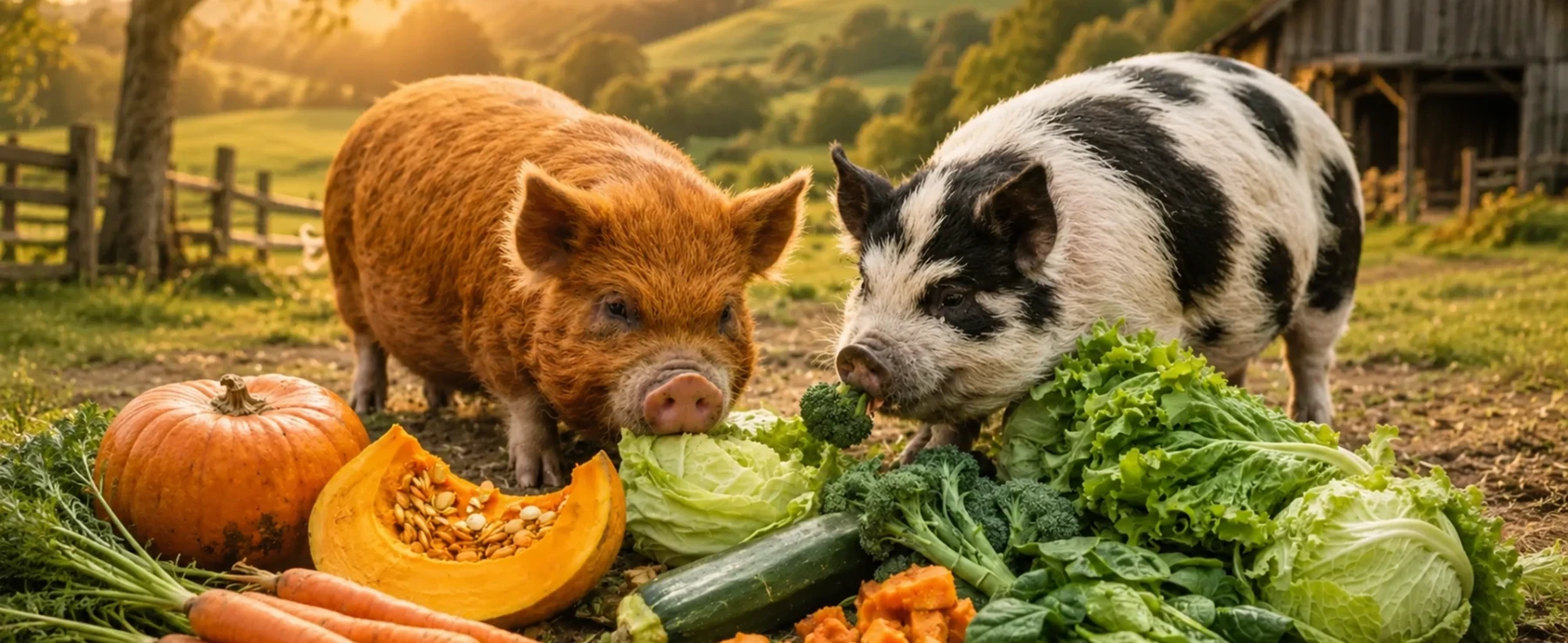
A realistic Hawaii feeding plan combines pasture, minerals, measured supplemental feed, and hay or forage support when body condition or pasture quality calls for it. Store feed where humidity, rodents, insects, birds, wildlife, and storm moisture will not damage it.

Breeding animals, growing pigs, lactating sows, and pets on small paddocks may all need different feed management even in a year-round growing climate.

Fencing

Use perimeter fencing before pigs arrive, not after the first escape. Woven wire, hog panels, sturdy gates, and a trained electric offset can all work for Kunekunes when matched to terrain and owner experience.

In Hawaii, fencing also needs to account for slopes, dense vegetation, wet soil, gate traffic, loose dogs, and feral pig contact that can create disease and biosecurity risk. Protected farrowing areas matter for newborn piglets.

Predator Concerns

Loose dogs are one of the most practical predator and safety concerns for Hawaii Kunekune owners. Feral pigs can also create disease and biosecurity risk, especially around fence lines, feed, water, and quarantine areas.

Most mature Kunekunes are sturdy, but piglets, farrowing spaces, feed storage, and nighttime paddocks need extra attention. Use secure perimeter fencing, close gates, remove spilled feed, and provide a protected farrowing area.

Shelter Needs

Shade, airflow, rain protection, and dry sleeping areas are key, especially in wet windward zones. A good Kunekune shelter in Hawaii should stay dry, shed roof runoff away from bedding, give pigs room to lie down together, block driving rain and sun, and still avoid stale damp air.

Put shelters where drainage, prevailing wind, shade, storm access, and daily chores have all been considered.

Mud, Manure, Drainage, and Erosion Management

In Hawaii, the ground-management job is keeping steep, rainy, or volcanic paddocks from sending runoff through the same gates, feeders, shelters, and waterers every day.

  • Drainage: keep roof runoff and stormwater out of bedding and feeding areas.
  • Traffic areas: use rotation, sacrifice areas, bedding, gravel, or mats where appropriate.
  • Vegetation: trim fast growth before fence lines and gates disappear.
  • Manure: clean regularly so small paddocks do not become unhealthy.

Prepare for the hard parts of the year.

Wet/Dry Season Kunekune Care in Hawaii

Use the care cards below to plan around Hawaii's wet areas, dry stretches, tropical storms, parasite pressure, forage growth, and year-round warmth instead of mainland spring/winter assumptions.

Health, Hoof Care, and Vet Planning

Find a livestock veterinarian before there is an emergency. In Hawaii, discuss parasite monitoring, quarantine, vaccines if appropriate, hoof care, tusk care for mature boars, skin issues from humidity or mud, and any animal movement or import requirements that apply to the pigs.

Year-round warmth and moisture can make parasites, flies, skin irritation, wet bedding, and muddy footing more persistent than in colder climates. This guide is educational and does not replace veterinary advice.

Breed and Care Notes Behind This Guide

The breed matters, but management matters more. Kunekunes are widely valued as friendly, smaller grazing pigs, and Oklahoma State University's breed profile describes them as placid, friendly, easy to maintain, and capable of grazing well. The same profile also warns that they still need shelter from wet and cold and can become too fat if managed like grain-fed sty pigs.

Apply that breed advice to Hawaii: check the management plan against local pressure from humidity, heavy rain, mud, and parasites instead of copying a setup from a different climate or property type.

For transport and purchase planning, do the same basic check every time: verify current requirements with a veterinarian and the receiving state before pigs move. USDA APHIS notes that interstate animal movement requirements can include health certificates, diagnostic testing, vaccinations, treatments, or other destination-state requirements, and official identification supports disease traceability.

Reference points used for this guideOklahoma State University: Kunekune SwineUSDA APHIS: State-to-State Animal Movement RequirementsUSDA APHIS: Official Animal Identification

This guide is educational. Local rules, import requirements, and veterinary recommendations can change, so buyers should verify the current requirements for the exact property and travel route.

Breeding, farrowing, transport, and records.

Breeding and Farrowing Considerations

Breeding Kunekunes in Hawaii should be planned around heat, humidity, rain, shelter dryness, piglet protection, quarantine, and transport timing. Avoid farrowing during the wettest, hottest, muddiest, or stormiest windows when possible.

Provide a dry, protected farrowing space with airflow, clean bedding, predator-aware fencing, and careful management of boars, sows, and piglets.

Transporting Kunekune Pigs Into or Within Hawaii

Plan the trip before purchase day. Plan the route, timing, crate or trailer, bedding, ventilation, water, unloading pen, and quarantine space before purchase day.

  • Heat and humidity: avoid stressful travel windows and long delays without airflow or water planning.
  • Paperwork: confirm current animal movement or import documents with the veterinarian and official livestock resources before travel.
  • Arrival: unload into a secure pen with water, bedding, shade, and quiet space before introducing other animals.
  • Quarantine: watch new arrivals for stress, appetite, lameness, coughing, diarrhea, skin issues, or unusual behavior.
Official Movement, Transport, and Source Checks

Hawaii transport planning should be verified before purchase day. Requirements can change, and island-to-island or out-of-state movement may involve different paperwork, identification, quarantine, inspection, or timing expectations.

  • Ask early: confirm current requirements with the veterinarian and official livestock resources.
  • Keep records: save breeder information, registration details, health paperwork, transport dates, and vet contacts.
  • Plan quarantine: give new pigs a separate space before mixing them with an existing herd.

This guide is educational and should be verified against current official requirements before animals are moved.

Local rules, costs, and common setup mistakes.

Local Rules and Zoning

Check the property rules before you buy. State law may allow livestock in general, but the exact property can still be controlled by county rules, city limits, neighborhood rules, setbacks, nuisance ordinances, waste rules, or HOA restrictions.

  • Confirm whether pigs are allowed before buying.
  • Ask about minimum acreage, shelter setbacks, manure handling, and limits on boars or breeding.
  • Keep written notes from local offices when possible.
  • Recheck rules before expanding from pets to breeding animals.
Choosing pigs for your property and plans

Ask breeders about registration, parent size, temperament, weaning age, health history, parasite management, transport, quarantine, and whether a piglet is best suited as a pet, barrow, gilt, boar, or breeding prospect.

For Hawaii buyers, also factor in feed availability, transport logistics, vet access, island-specific rules, and whether the property is already set up for shade, drainage, fencing, and quarantine.

Cost and Infrastructure Planning

The pig is only one part of the cost. Budget for fencing, gates, shelter, bedding, feed storage, hay or forage support, minerals, water equipment, vet care, parasite monitoring, transport, quarantine, and storm-season upgrades.

In Hawaii, the most expensive surprises often come from underestimating feed cost and storage, drainage, fencing on slopes, transport/import rules, vet access, parasites, and storm preparation.

Biggest Hawaii Setup Mistake

The biggest Hawaii mistake is letting green grass hide the real problems: heat load, parasite pressure, wet bedding, algae, and feed spoilage.

Why it matters: that one weak spot usually becomes the daily problem once local pressure builds around humidity, heavy rain, mud, and parasites.

Practical fix: Prepare shade, airflow, trough cleaning, dry resting space, parasite conversations with a veterinarian, and storm backup before the first humid stretch exposes the setup. Walk the route from trailer unload to quarantine, water, shelter, and feeding area during the least convenient weather before pigs arrive.

Other Setup Mistakes to Avoid

Common mistakes in Hawaii include buying piglets before fencing is finished, underestimating water needs, ignoring county or neighborhood rules, using shelters that stay wet, relying too heavily on pasture, storing feed where humidity or rodents can ruin it, skipping quarantine, and not planning for parasites, feral pig biosecurity, loose dogs, or tropical storms.

Is Hawaii a Good State for Kunekune Pigs?

Hawaii can be a good place for Kunekune pigs when the owner builds around tropical climate, water, pasture, fencing, biosecurity, parasite pressure, feed supply, and local rules. The best setups are prepared before pigs arrive and adjusted for wet areas, dry stretches, storms, and daily chores.

Best suited for: owners who confirm island-specific rules, secure feed supply and vet support, and manage drainage, shade, and parasites year-round.

Final Thoughts

Kunekunes can thrive in many parts of Hawaii when owners treat them as real livestock with real infrastructure needs. Start with fencing, water, shade, dry shelter, feed storage, veterinary planning, quarantine, transport/import paperwork, and local approval, then adjust daily care to the island microclimate and wet/dry conditions on the actual property.

More notes for Hawaii.

Quick Answer

Kunekune pigs can be raised in Hawaii when owners plan for tropical microclimates, shade, airflow, clean water, dry sleeping areas, parasite pressure, secure fencing, feed storage, quarantine, transport/import requirements, and local county or neighborhood rules before pigs arrive.

The right setup changes by property: wet windward paddocks, dry leeward lots, cooler uplands, steep parcels, and small county-zoned properties all need different drainage, water, shelter, and feed plans.

What changes through the year in Hawaii.

Spring

Wet-Season Reset

After heavy rain periods, inspect fence lines, gates, shelter pads, roof runoff, water points, and muddy traffic areas. Trim fast vegetation, refresh bedding, repair drainage, and review parasite monitoring with your veterinarian.
Summer

Hot and Dry Stretch

Prioritize deep shade, airflow, clean water, shaded troughs, algae control, fly control, wallows or cooling areas where appropriate, and heat-stress monitoring. In drier leeward areas, plan supplemental feed before pasture quality drops.
Fall

Storm-Season Review

Check shelter tie-downs, roof drainage, gates, feed storage, backup water, tree limbs, emergency access, and quarantine space. Plan breeding or farrowing around local heat, rain, mud, and storm risk rather than a mainland fall calendar.
Winter

Cooler Wet Months

Keep pigs dry, maintain bedding, monitor body condition, protect water and feed from storm runoff, and keep footing safe around shelters and gates. Cooler uplands may need more wind and rain protection, but mainland cold-weather planning should not drive the Hawaii setup.

Before your pigs come home in Hawaii.

Before buying Kunekune piglets in Hawaii, treat infrastructure as part of the purchase. Piglets are easier to enjoy when fencing, shade, dry shelter, clean water, quarantine, feed storage, transport planning, and vet support are ready before pickup day.

The checklist below is meant to prevent impulse buying and help owners compare breeders, registration, health history, animal movement rules, and the property setup at the same time.

  1. Confirm local zoning allows pigs.

    Check state, county, city, neighborhood, HOA, agricultural zoning, setback, manure, and animal movement rules before buying Kunekunes in Hawaii.

  2. Build fencing before bringing pigs home.

    Use secure gates and perimeter fencing suited to island terrain, wet soil, dense vegetation, slopes, loose dogs, feral pig biosecurity risk, and protected farrowing areas for newborn piglets.

  3. Prepare shelter before transport.

    Build shade, airflow, rain protection, raised dry sleeping areas, and runoff control before pigs arrive, especially in wet windward zones.

  4. Plan year-round water.

    Reliable clean water is needed year-round; protect troughs from algae, mud, storm runoff, dry stretches, and supply interruptions.

  5. Set realistic pasture and feed expectations.

    Pasture can grow year-round in wet areas, but terrain, rainfall, stocking pressure, parasite load, body condition, and feed storage still need active management.

  6. Find a livestock veterinarian.

    Confirm pig-capable vet support before an emergency and ask about parasites, vaccines, hoof care, tusks, quarantine, and Hawaii-specific health or movement requirements.

  7. Prepare quarantine space.

    Separate new pigs after arrival before adding them to an existing herd, and use quarantine to watch for transport stress, parasites, lameness, coughing, diarrhea, skin issues, and appetite changes.

  8. Plan the hardest season first.

    Build the setup around Hawaii's biggest risks: humidity, heavy rain, mud, parasites, feed cost and storage, tropical storms, steep terrain, transport/import rules, feral pig contact, loose dogs, and county restrictions.

Common Kunekune questions in Hawaii.

Are Kunekune pigs a good fit for Hawaii?

Yes. Kunekune pigs can work in Hawaii when owners plan for shade, fresh water, wallows or cooling areas, wet ground, parasites, strong fencing, dry shelter, feed storage, and local animal rules.

What is the hardest part of raising Kunekunes in Hawaii?

The hardest parts are usually heat, humidity, mud, parasites, and keeping feed and bedding clean and dry. Shade, airflow, drainage, fresh water, and good daily routines matter.

Can Kunekunes graze in Hawaii?

Often, yes, but grass, soil, rainfall, shade, and pasture rest vary by island and property. Kunekunes still need feed, minerals, shelter, strong fencing, and clean water even when grass is available.

What should Hawaii buyers ask before buying Kunekune piglets?

Ask about health, temperament, parent size, registration, current diet, parasite care, heat management, transport or pickup details, and what setup the breeder recommends for your island and property.

Do Hawaii owners need to check local rules before buying pigs?

Yes. Check county, zoning, HOA, nuisance, animal-control, and animal movement rules before bringing pigs home. Rules can differ by island, neighborhood, and property type.

Use this guide as a starting point.

Conditions and local rules can change from one property to the next. Read the Knowledge Base for more on care, feeding, and breeding, or choose another state guide.