
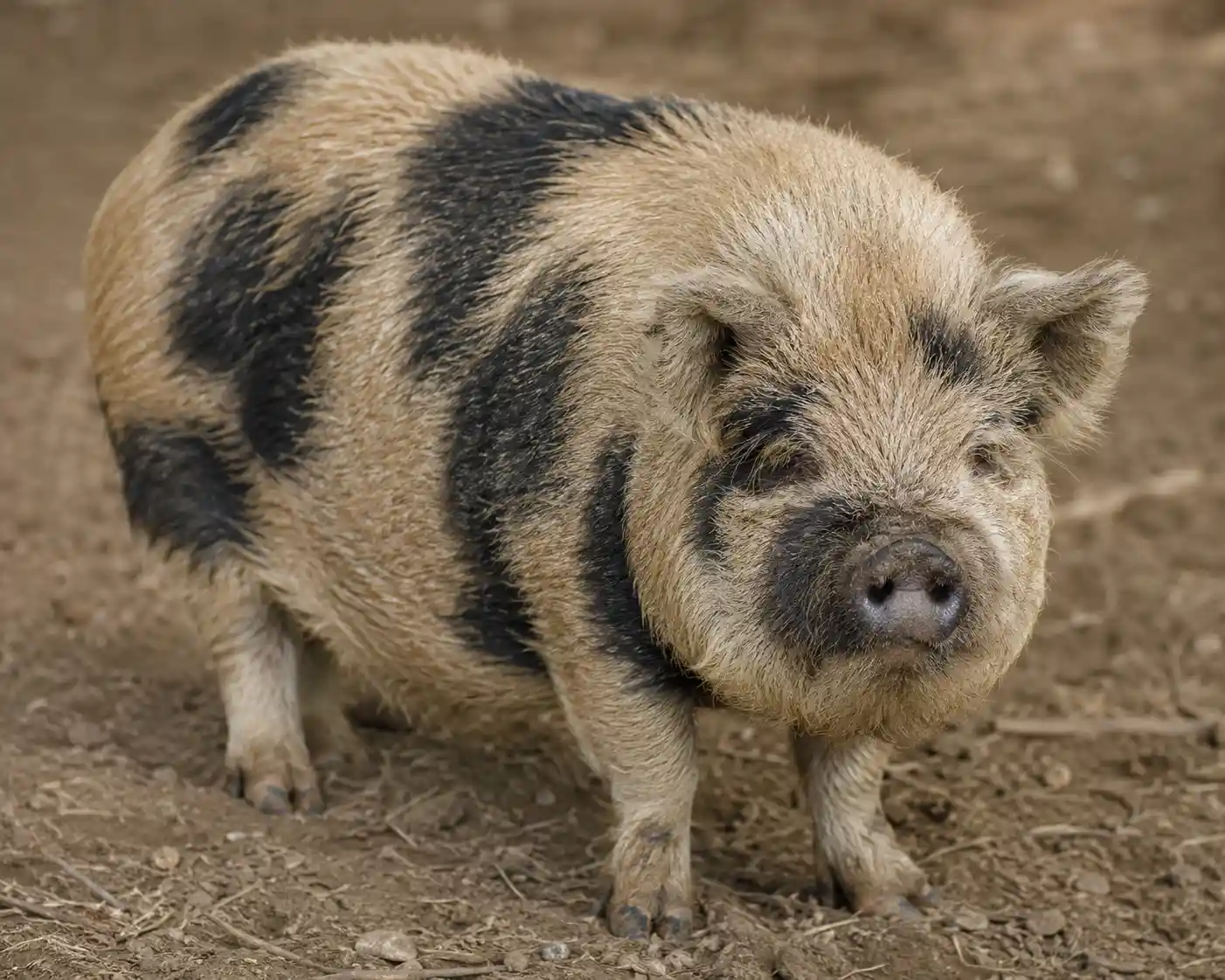
Dry skin in pigs can come from several different causes, and the right answer depends on what the skin actually looks like, how the pig is acting, and whether one pig or the whole herd is affected. Sometimes it is simple dryness from weather or bedding. Other times it is tied to feed quality, missing minerals, parasites, mud, sunburn, irritation, or an underlying health problem.
The Most Common Causes of Dry Skin in Pigs
Dry skin may be caused by:
- Cold, dry winter weather
- Hot sun and sunburn
- Poor-quality feed
- Low fat or poor overall nutrition
- Mineral imbalance
- Not enough clean water
- Mites or lice
- Wet bedding or constant mud
- Harsh soaps or sprays
- Allergic irritation
- Skin injuries from rubbing
- Overcrowding or fighting
- Poor body condition
- Illness or stress
The mistake many owners make is assuming all dry skin is the same. A pig with a few dry flakes during cold weather is different from a pig rubbing itself raw because of mites.
Weather Can Dry Out Pig Skin
Dry winter air can make pig skin flaky, especially when pigs are spending more time in bedding and less time on green pasture. Cold wind, frozen ground, and dry hay or straw can all contribute.
In summer, the issue may be sun and heat instead of cold. Light-colored pigs can burn more easily, especially on the ears, back, shoulders, and exposed skin.
Weather-related dry skin often shows up with:
- Light flaking
- Dull coat
- Dry-looking skin
- No major sores
- Pig still eating and acting normal
Weather may be part of the problem, but good shelter, shade, bedding, water, and nutrition still matter.
Poor Feed Can Show Up in the Skin
A pig's skin is fed from the inside first. If the ration is weak, old, poorly balanced, or not made for pigs, the skin and coat may eventually show it.
Poor nutrition may cause:
- Dull hair coat
- Flaky skin
- Slow growth
- Poor body condition
- Weak-looking piglets
- Reduced thriftiness
- Pigs that never quite look “right”
Kunekunes are often called easy keepers, but that can be misunderstood. Easy keeper does not mean no nutritional needs. A pig can be round and still be missing important nutrients if most of its diet is scraps, low-quality grain, or pasture with no balanced feed support.
Minerals Matter
Minerals are a big part of skin, coat, immune function, reproduction, and general health. Zinc, copper, selenium, iodine, salt, calcium, phosphorus, and other minerals all have jobs in the body.
Dry skin or rough coat can sometimes be connected to mineral problems, but minerals should be handled carefully. More is not automatically better.
Good mineral habits include:
- Feed a pig-appropriate ration.
- Avoid relying on sheep, goat, cattle, or horse minerals.
- Do not stack several mineral supplements at once.
- Make sure pigs always have clean water.
- Ask a veterinarian if a true deficiency is suspected.
Selenium and copper especially need caution because too much can be harmful.
Lack of Healthy Fat Can Affect Skin and Coat
Some pigs with dull coats or flaky skin may benefit from a little extra healthy fat. This does not mean pouring oil over every meal. It means using small, sensible additions if the pig's body condition allows it.
Common options include:
- Black oil sunflower seeds
- Flaxseed
- Small amounts of vegetable oil
- Pig-safe omega-support products
- A better-quality complete feed
Black oil sunflower seeds are popular because they can support coat shine, but they are calorie-dense. Kunekunes can gain weight easily, so small amounts are usually better than heavy feeding.
Not Enough Water Can Make Things Worse
Water is easy to overlook until it freezes, gets dirty, or runs low. A pig that does not drink enough may have poorer digestion, rougher condition, and more stress on the body.
Check water daily for:
- Cleanliness
- Flow
- Freezing
- Leaks
- Algae
- Mud contamination
- Access for smaller pigs
Good skin starts with good hydration.
Parasites Are a Major Cause of Itchy, Rough Skin
If a pig is rubbing hard, losing hair, developing crusty patches, or spreading the problem to other pigs, think beyond simple dry skin.
Mites and lice can cause:
- Intense itching
- Hair loss
- Thickened or crusty skin
- Red or irritated areas
- Rubbing on fences, posts, feeders, or shelters
- Several pigs affected
Nutrition may help the pig recover, but feed will not remove mites or lice. If parasites are suspected, contact a veterinarian for proper treatment.
Mud, Wet Bedding, and Dirty Shelters
Skin problems often start where pigs sleep and stand. Constant wet bedding, manure buildup, mud around feeders, and poor drainage can irritate skin and create unhealthy conditions.
A dry sleeping area is one of the simplest skin-support tools.
Good housing practices include:
- Dry bedding
- Good drainage
- Clean shelter
- Shade in summer
- Wind protection in winter
- Mud control near feeders and waterers
- Enough space for pigs to rest comfortably
A pig should not have to choose between sleeping wet or standing in mud.
Sunburn Can Look Like Dry Skin
Sunburn may cause peeling, redness, tenderness, scabbing, or dry-looking skin. Light-colored pigs and sparsely haired areas are more vulnerable.
Sunburn prevention includes:
- Shade
- Wallows
- Shelter access
- Avoiding long exposure during intense heat
- Watching ears, shoulders, back, and rump
If skin is red, painful, blistered, or peeling badly, treat it seriously.
Bedding Can Irritate Skin
Straw, hay, shavings, or other bedding can sometimes irritate pigs, especially if dusty, moldy, wet, sharp, or contaminated.
Watch for:
- Pigs scratching more after bedding changes
- Red skin where bedding contacts the body
- Dusty shelter air
- Moldy smell
- Damp bedding that never dries
Clean, dry bedding is better than simply adding more bedding on top of dirty bedding.
Too Much Bathing or Harsh Products
Pigs do not need frequent bathing with harsh soaps. Overwashing can strip natural oils from the skin.
Avoid:
- Strong detergents
- Human dandruff shampoos unless directed by a vet
- Heavy perfumes
- Harsh disinfectants on skin
- Random topical treatments without knowing the cause
Plain clean water and better living conditions often do more good than repeated scrubbing.
Stress and Illness Can Affect Skin
A pig under stress may show it in body condition, coat, appetite, and behavior. Transport, weaning, fighting, farrowing, feed changes, parasites, heat, cold, or sickness can all contribute.
Dry skin with other symptoms deserves more attention.
Watch for:
- Not eating
- Lethargy
- Weight loss
- Fever
- Coughing
- Diarrhea
- Swelling
- Wounds
- Fast-spreading skin changes
Skin is sometimes the visible clue, not the whole problem.
What Food Helps Dry Skin in Pigs?
Start with the basics before adding extras.
A good plan includes:
- Feed a balanced pig ration.
- Match feed amount to age, size, and body condition.
- Provide clean water all the time.
- Offer safe forage when available.
- Use pig-appropriate minerals.
- Add small amounts of healthy fat only if needed.
- Avoid letting treats replace real feed.
For Kunekunes, this matters because they can become overweight while still lacking quality nutrition. The goal is not just a full pig. The goal is a healthy pig.
Supplements That May Help
Helpful supplements may include:
- Black oil sunflower seeds for coat support
- Flaxseed for healthy fat support
- Probiotics during stress or feed changes
- Vitamin and mineral products made for pigs
- Omega-support products used carefully
Avoid using supplements as a guessing game. Add one thing at a time and watch results.
When Dry Skin Needs a Vet
Call a veterinarian if you see:
- Open sores
- Bleeding
- Severe itching
- Crusty thick skin
- Hair loss spreading quickly
- Swelling
- Bad smell
- Pus
- Fever
- Pig not eating
- Weight loss
- Several pigs affected
- No improvement after basic care changes
Dry flakes are one thing. A pig rubbing itself raw is another.
Practical Checklist for Owners
If your pig has dry skin, check:
- Is the feed fresh and made for pigs?
- Is the pig too thin or too fat?
- Is clean water always available?
- Is the shelter dry?
- Is the bedding clean?
- Is the pig rubbing constantly?
- Are other pigs affected?
- Is there hair loss?
- Is the skin red, crusty, bleeding, or swollen?
- Has the weather changed?
- Has feed or bedding changed?
- Is there shade in hot weather?
- Is parasite treatment needed?
Take photos once a week. Skin changes are easier to track when you can compare.
Final Thoughts
Dry skin in pigs can be simple, but it should not be ignored. The cause may be weather, feed, minerals, parasites, bedding, mud, sunburn, or overall health. Good care starts with the daily basics: balanced feed, clean water, dry shelter, proper minerals, parasite awareness, and close observation.
For Kunekune pigs especially, steady management matters. A healthy skin and coat condition usually comes from the whole care program, not one magic supplement.